

The development of software has evolved. Technology’s reach has grown exponentially. It is no longer limited to enthusiasts. It’s a global playground. There are multiple operating systems, and the number of programming languages has exploded. The computer ecosystem went from being simple to a fragmented landscape with diverse hardware, software platforms, and operating systems, making interoperability and standardization more challenging.
User Expectations
Users expect their software to work forever, and you can’t blame them. Users are unaware of the complexities involved in software development in an ever-changing field. Changes in the operating systems, APIs, and different hardware configurations are difficult to manage and foresee. Users don’t think about the need to maintain the software. They’d rather expect the company to go out of business than pay a recurring fee. This isn’t ideal for software development companies, so, trend has shifted and many softwares have become subscription-based.
There are exceptions. Open-source software evolves slowly but at no additional cost to the users. Some niche software use cases do not evolve. Software that runs without relying on any infrastructure, such as servers, to function is suitable for single purchase.
A business model that popped up and gained momentum is the onetime lifetime purchase option for the early adopters.
Lifetime deals as a business model
Developers need a viable source of income to continue their software development process. Startups need a substantial amount of capital to compete with their competition. They must secure a portion of the market to ensure their long-term survival. It requires a large capital upfront. Early adopters ready to pay above a standard subscription become a solid opportunity.
Companies also want to get a broader review of their software. Local companies have a good understanding of their local requirements. When companies go global, requirements grow to satisfy a wide range of customers from various backgrounds. They require early adopters ready to offer feedback, despite potential difficulties, for product improvement.
Companies found this trend and saw a business model. Selling products on behalf of startups looking for early capital and reviews to freelancers and small agencies. They also added their own fees for both startups and users. They become the middleman, making money off of a market for early adopters and startups. Sometimes as much as 70% of the deal price. That’s not always viable for startups and leads them to failure.
Disappointments
Some companies that don’t think long term while offering lifetime deals. They fall apart without a constant stream of users. Some companies use lifetime offers only to survey the interest in their product ideas and discontinue them afterwards if there’s no significant customer interest. Others use it to make a quick buck. They sell off the product, or the company vanishes. Users are now cautious about investing in a lifetime purchase option.
Such was the case with a VPN provider named VPNSecure. It operated for a period, then revived under new ownership. However, they didn’t honor the lifetime customers. They claimed they only inherited the brand name and didn’t inherit the customer obligations. This isn’t the only case. Illusto from Magnifi.ai shutdown within a year with no updates. RankAtom is another dubious company to discontinue. Growapp disappeared without a trace when the owner shut down its operation and removed any social media presence. They didn’t send any notices or warnings.
Looking out for red flags
Users need to quantify if their purchases are going to be worth the hefty early adopter price tag. Some deals pay itself over a duration if you use them effectively. In such cases, you won’t regret after they fold. However, as lifetime deals are expensive, it may take a while before it pays for themselves.
Things you can lookout for:
- Does the company providing the deals (AppSumo/StackSocial) have a refund plan?
- Actual company behind the lifetime deals. How long have they been in business? Have they been on other successful projects?
- The people behind the company. Do they have several projects, hoping one would succeed?
- The duration needed for it to pay for itself.
- Analyze their lifetime offer. Companies that offer “unlimited” of something usually won’t be able to keep it sustainable. Reasonable offers are where they can keep expanding.
- Are you planning to use the product immediately or save it for use a decade from now? The likelihood of the company existing diminishes overtime.
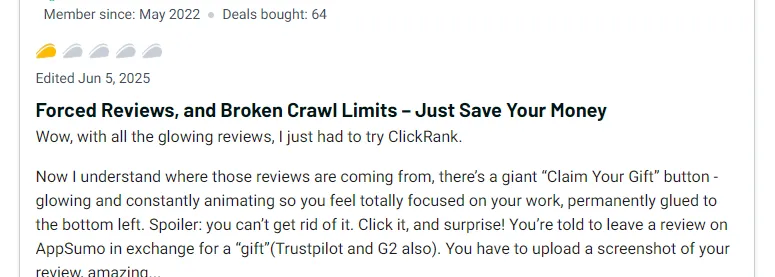
- Fake reviews are often widespread for lifetime deals. Ask around in communities and groups you trust.
Commit to using your purchase knowing that the product may not survive in the future. You need to use the product and take benefit of it right away. If you’re going to hoard it thinking you’ll use it later, you might never get the chance.
Going forward
There are still some companies offering lifetime purchase options, but it isn’t as hyped up as before. StackSocial and AppSumo still offer a range of lifetime products. Last I went to AppSumo, most of their products felt like AI focused, and those are things I don’t think could fit into lifetime purchases. These usually are licensing AI from big companies like OpenAI and others and may not be sustainable in the long run. There are independent companies that offer lifetime purchase options as well. But they are few and far between.
If you really want to consider a lifetime purchase, understand that some companies succeed and some fail. It is never certain that any of your digital purchases will last a lifetime. The only thing that matters is the benefit you can reap while using the tools. People who hoard lots of things almost never make use of them.